Home Equity Option
ADU & Casita Financing Options
How San Diego homeowners commonly finance a backyard ADU or garage conversion using existing equity or renovation-style loan structures.
Last reviewed: November 2026
Who it fits
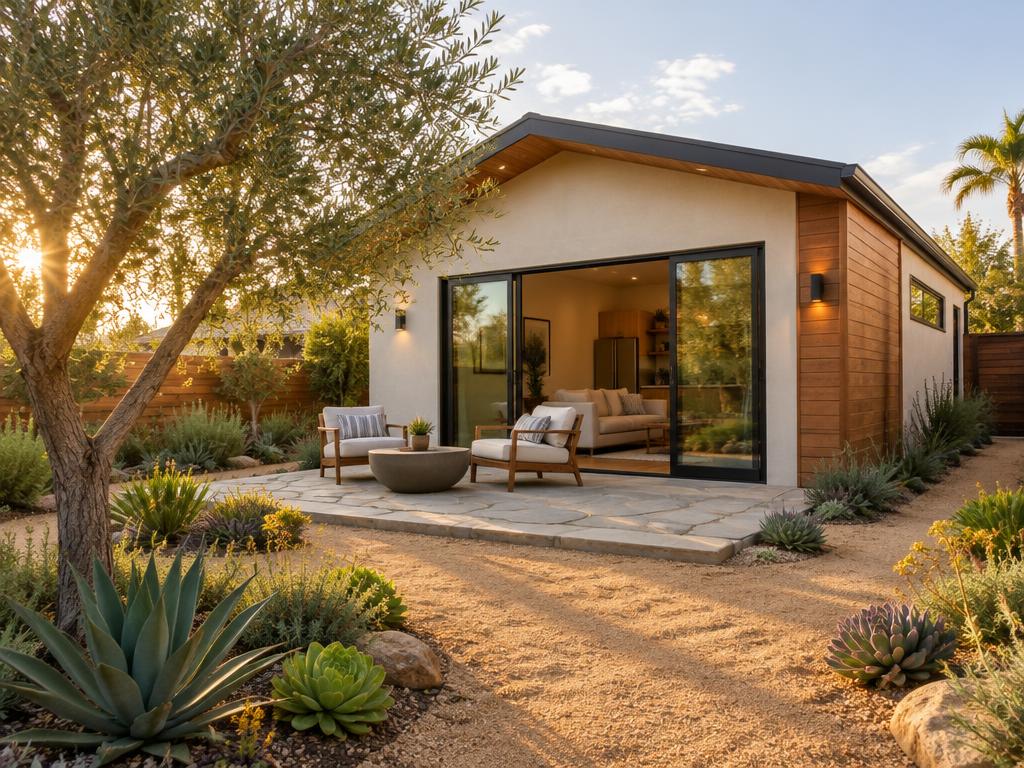
- San Diego homeowners adding a detached casita, attached ADU, or garage conversion for family or rental use.
- Owners deciding whether their current equity is enough for a HELOC/fixed second, or whether they need a structure that considers projected completed value.
- Homeowners who want to align loan draws with architectural, permitting, and construction milestones.
How it works
There is no single 'ADU loan.' Most San Diego homeowners finance an ADU through one of two broad paths: tapping existing equity (via a HELOC, fixed home equity loan, or cash-out refinance) or using a renovation/construction-style loan that factors in the property's projected value after the ADU is built.
Equity-based options (HELOC or fixed second) are often simpler to close and leave your existing first mortgage untouched, provided you already have enough equity based on today's home value.
Renovation-style loans can bridge an equity gap by appraising the future completed value, but they typically involve contractor vetting, draw inspections, and replacing or restructuring the first mortgage. Exact rules, draw schedules, and eligibility vary by lender and program.
What lenders typically look at
- Current home value (for equity-based loans) or plans, contractor bids, and after-improved appraisal (for renovation-style loans).
- San Diego city or county permitting status and zoning compliance.
- Credit history, debt-to-income ratio, and contingency reserves for construction overruns.
- Whether projected ADU rental income can be counted (rules vary widely by lender and program).
Exact guidelines, documentation rules, and limits vary by lender and program.
Pros & trade-offs
Potential advantages
- Using a HELOC for an ADU lets you draw funds only as design, permit, and build invoices arrive.
- Equity-based second liens preserve a low-rate first mortgage.
- Renovation-style options may work when current equity alone is not enough.
Trade-offs to weigh
- Construction timelines, permitting, and material costs in San Diego can shift — leaving a contingency buffer is critical.
- Renovation-style first mortgages usually require giving up your existing first-mortgage rate and involve more paperwork.
- Your home secures the financing, regardless of how quickly the ADU is completed or rented.
Common mistakes
- Applying for financing before having a realistic all-in budget (soft costs, permits, utility hookups, and site work).
- Assuming projected ADU rent will automatically qualify you for the loan without checking lender rules.
- Not comparing the blended rate of keeping your first mortgage + HELOC against a full renovation refinance.
Download the ADU Financing checklist
Enter your first name and email to unlock a printable preparation checklist on screen.
Related options
HELOC
A revolving credit line secured by your home that lets you draw funds as needed while keeping your existing first mortgage untouched.
Home Equity Loan
A closed-end lump-sum second mortgage with a fixed interest rate and predictable monthly payment, leaving your first mortgage in place.
Cash-Out Refinance
Replaces your existing first mortgage with a single new, larger mortgage and pays the difference to you in cash at closing.